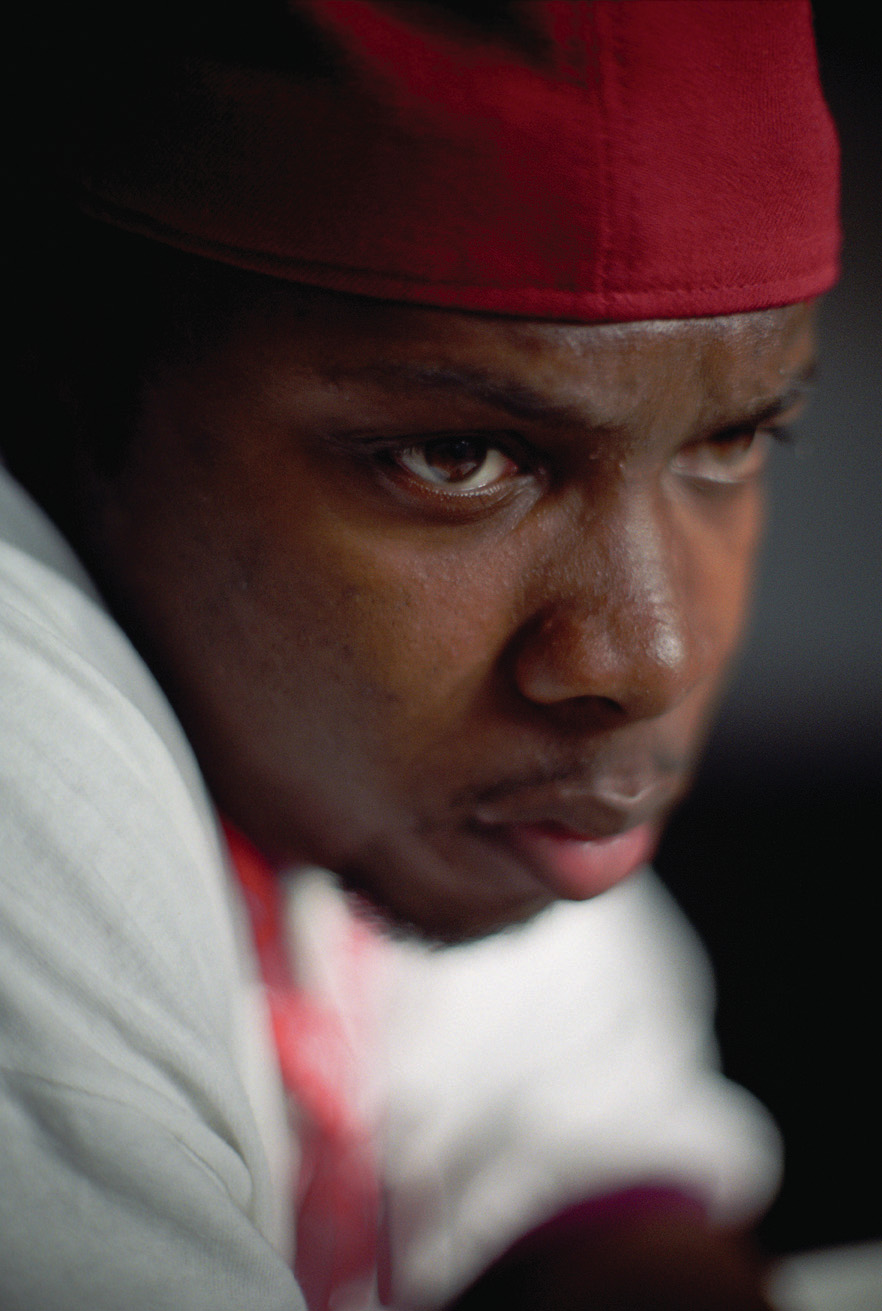
Phife Dawg's Wealth Journey: From ATCQ to $5M Net Worth
Malik Izaak Taylor, globally revered as Phife Dawg or simply Phife, carved an indelible niche in the annals of hip-hop history. Born in Queens, New York City, on November 20, 1970, and of Trinidadian descent, Phife's lyrical prowess and distinctive voice became synonymous with the legendary group A Tribe Called Quest (ATCQ). His journey from a high school dream to a celebrated "Five-Foot Assassin" is not just a tale of musical innovation but also a testament to strategic career building that culminated in a significant financial legacy. By late 2016, sources indicated that Phife Dawg's net worth had impressively surpassed $5 million, a fortune meticulously built through over three decades in the music industry. This article delves into the various streams that contributed to Phife Dawg’s wealth, examining the milestones, challenges, and shrewd decisions that solidified his financial standing.
The Genesis of a Legend: A Tribe Called Quest and Early Success
Phife Dawg's musical odyssey officially began in 1985 when he co-founded A Tribe Called Quest with childhood friends Q-Tip, Ali Shaheed Muhammad, and Jarobi White. This formation was more than just a band; it was a cultural movement waiting to happen. Their unique blend of jazz-infused beats, conscious lyrics, and a playful yet profound delivery set them apart from their contemporaries, laying the groundwork for a rich and influential career.
After signing with Jive Records in 1989, ATCQ unleashed their debut album,
“People’s Instinctive Travels and the Paths of Rhythm,” in 1990. The album was an instant critical darling and achieved gold certification, introducing the world to Phife's sharp wit and vibrant wordplay. While a crucial start, it was their sophomore effort,
“The Low End Theory,” released a year later, that truly propelled them into the stratosphere and significantly boosted Phife Dawg’s net worth. This iconic album, featuring hit singles like
“Check the Rhime,” “Jazz (We’ve Got),” and
“Scenario,” garnered a massive following and earned a coveted spot on Rolling Stone magazine’s 500 Greatest Albums of All Time. Such monumental success translated directly into substantial album sales, touring revenue, and, crucially, ongoing royalty streams that would contribute to
Phife Dawg's $5 Million Fortune: Tracing His Hip-Hop Legacy for years to come.
The momentum continued through the late 1990s with three more critically acclaimed albums:
“Midnight Marauders,” “Beats, Rhymes and Life,” and
“The Love Movement.” These releases further cemented ATCQ's global appeal, earning several Grammy nominations for Best Rap Album and consistently adding to Phife’s growing wealth. However, the group faced internal conflicts and label disputes, leading to their disbandment in 1998, a period candidly documented in the 2011 film
“Beats, Rhymes & Life: The Travels of a Tribe Called Quest.” Despite the hiatus, the power of their music endured, leading to multiple reunions from 2004 onwards. These sporadic but highly anticipated performances at festivals, events, and tours across the USA ensured a continued income flow, demonstrating the long-term value of a strong, established musical brand.
Beyond ATCQ: Solo Ventures, Collaborations, and Diversification
While A Tribe Called Quest was his primary vehicle for success, Phife Dawg was a multifaceted artist who understood the importance of diversification. During ATCQ's breaks, he strategically pursued solo endeavors and collaborations, expanding his creative and financial reach beyond the group's confines.
In 2000, Phife launched his debut solo album,
“Ventilation: Da LP,” under Groove Attack Records. This project allowed him to explore new sonic landscapes and lyrical themes, establishing his independent artistic voice. He also lent his talents to other artists, collaborating with notable acts like Fu-Schnickens and Diamond D, which further broadened his industry connections and generated additional income. Although a planned second solo album never saw release, his final single,
“Nutshell,” released in 2015, served as a poignant reminder of his enduring talent.
Phife’s passions extended beyond music, particularly his deep love for sports, especially basketball. He cleverly leveraged this interest into new revenue streams and brand visibility. He was a frequent guest on ESPN radio shows and various sports programs, offering insightful commentary that resonated with a different audience demographic. His regular sports column on SpitKicker.com, aptly titled
“Only From The Mind of the Phifer,” further showcased his writing skills and expanded his personal brand. These ventures were not merely hobbies; they were calculated moves to diversify his portfolio and maintain relevance, demonstrating
Beyond Beats: How Phife Dawg Built His Multi-Million Net Worth. Furthermore, his appearances in the video games NBA 2K7 and NBA 2K9 exposed him to an entirely new generation of fans and brought in licensing fees.
His versatility also extended to the film industry. Phife showcased his acting chops in the 1993 film
“Who’s the Man?,” playing the character Gerald. He later lent his distinctive voice to the animated feature
“The Rugrats Movie” in 1998, further diversifying his income streams and cementing his status as an entertainer beyond just rap music.
The Business Acumen Behind the Rhymes: Unpacking Phife's Income Streams
Understanding Phife Dawg’s net worth requires a look at the various income streams that fed into his financial portfolio over his illustrious career. For artists, especially those with a legacy like Phife's, wealth accumulation is rarely a single, sudden payout but rather a continuous flow from multiple sources:
*
Music Royalties: This forms the bedrock of an artist's long-term wealth. Royalties are generated from album sales (both physical and digital), streaming services, radio airplay, and the licensing of his music for films, television shows, commercials, and video games. The enduring popularity of ATCQ’s classic albums ensured a consistent flow of royalties for decades.
*
Touring and Live Performances: Concerts and live shows, whether with ATCQ during their various reunions or solo appearances, were significant revenue generators. Artists often earn a substantial portion of their income from ticket sales, merchandise sold at venues, and performance fees.
*
Merchandise Sales: Beyond concert merch, branded apparel and accessories featuring ATCQ or Phife Dawg’s likeness contributed to his income, tapping into his dedicated fanbase.
*
Brand Endorsements and Appearances: His involvement with ESPN and the NBA 2K franchise are prime examples of leveraging his personal brand and passions for lucrative endorsement and appearance fees.
*
Acting and Voice Acting: Roles in films like
"Who's the Man?" and
"The Rugrats Movie" provided direct income and broadened his appeal, opening doors to other opportunities.
*
Journalism and Media Contributions: His sports column and radio show appearances, while perhaps not as high-paying as major tours, offered consistent income and kept him in the public eye.
Practical Insight for Artists: Phife Dawg’s career illustrates the importance of understanding and actively managing intellectual property (IP). By participating in various media—music, film, gaming, writing—he created multiple IP assets that could generate income long-term. Artists today can learn from this by diversifying their creative outputs and ensuring they have favorable agreements for royalties and licensing.
Legacy and Lasting Impact on His Net Worth
Phife Dawg’s journey, culminating in a reported $5 million net worth, is a powerful narrative of talent, perseverance, and strategic career management. His passing on March 22, 2016, at the age of 45, due to complications from diabetes, was a profound loss for the music world. Phife had battled diabetes since 1990 and received a kidney transplant from his wife, Deisha Head Taylor, in 2008, a testament to his resilience both in life and art.
Despite his untimely death, Phife Dawg’s legacy continues to generate value. His albums continue to sell and stream, and his distinctive voice remains iconic. The enduring cultural significance of A Tribe Called Quest ensures that their music, and Phife's contributions to it, will continue to be discovered by new generations, leading to ongoing posthumous earnings through royalties and licensing. The documentary
“Beats, Rhymes & Life,” for instance, keeps the group's story alive, driving renewed interest in their catalog.
Phife Dawg's financial journey is more than just a number; it reflects his impact as a hip-hop pioneer. He didn't just rap; he crafted an identity and built a career that transcended the microphone, demonstrating how artistic integrity, combined with smart diversification and a keen understanding of the entertainment landscape, can lead to substantial and lasting wealth. His story is an inspiring blueprint for artists striving to build a sustainable financial future through their craft.
Conclusion
From the vibrant streets of Queens to the global stage, Phife Dawg’s life was a testament to the power of lyrical genius and a strategic approach to a creative career. His instrumental role in A Tribe Called Quest laid the foundation, but his individual ventures, diverse media appearances, and enduring impact on culture truly cemented his impressive $5 million net worth. Phife Dawg’s wealth journey is a compelling narrative of how a talented artist can not only achieve critical acclaim but also build a robust financial legacy, leaving behind a wealth of music and a blueprint for success that continues to inspire.