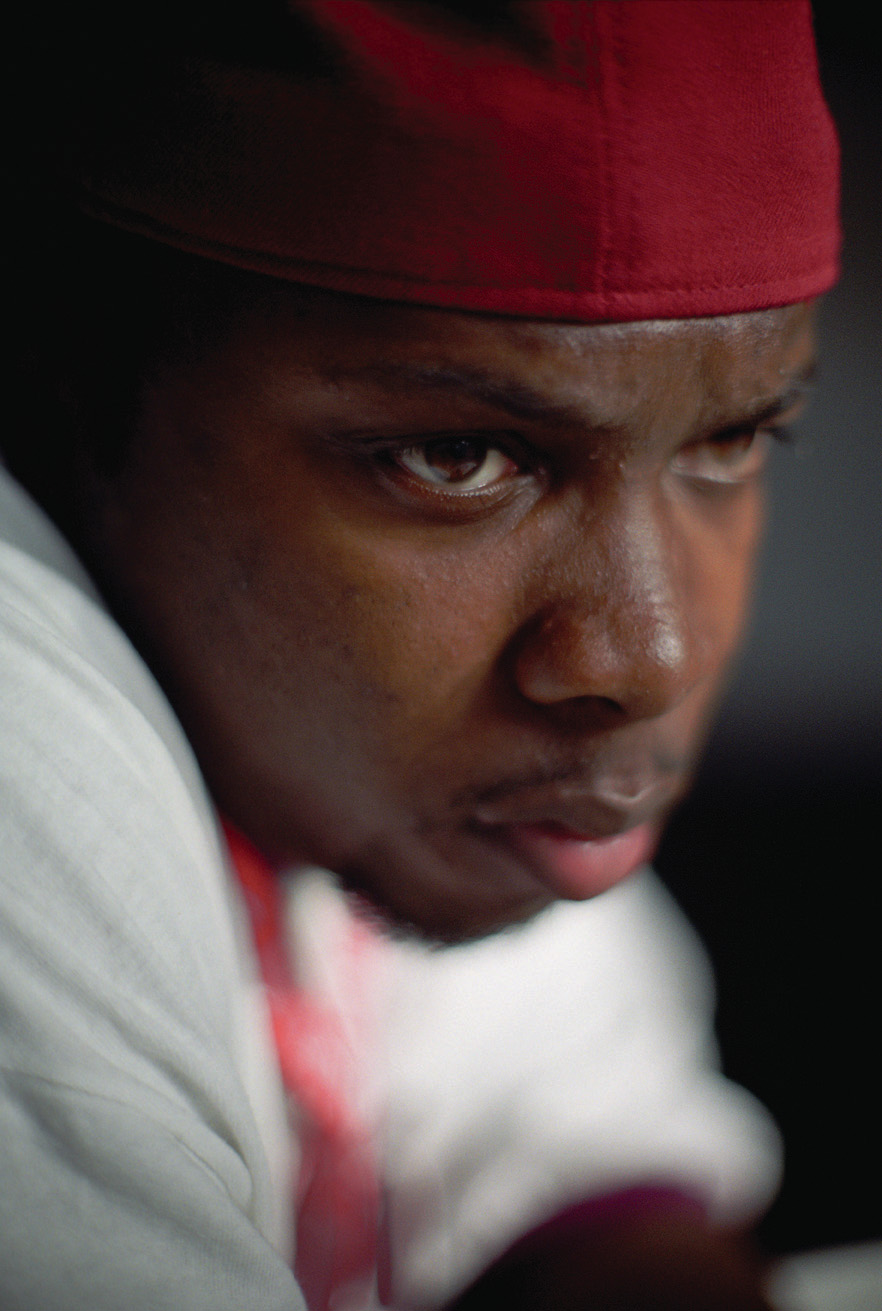
Beyond Beats: How Phife Dawg Built His Multi-Million Net Worth
Malik Izaak Taylor, universally known as Phife Dawg, wasn't just a voice in one of hip-hop's most revered groups, A Tribe Called Quest; he was a lyrical architect whose sharp wit and distinctive flow helped define an era. Born in Queens, New York City, in 1970, Phife, of Trinidadian descent, carved out a legacy that extended far beyond the beats. His journey from high school friend to "Five-Foot Assassin" is a compelling tale of talent, resilience, and shrewd career moves that ultimately built his multi-million dollar net worth. By late 2016, sources estimated
Phife Dawg's net worth to be over $5 million, a testament to his enduring impact on the music industry and his diverse ventures. This article delves into the strategies and milestones that shaped his financial success, offering a glimpse into the economic mechanics of a true hip-hop legend.
Early Beginnings & The Birth of a Hip-Hop Icon
Phife Dawg’s story began not with grand record deals, but with the raw energy and camaraderie of youth in Queens. It was during his high school days in 1985 that the seeds of A Tribe Called Quest were sown. Alongside his childhood friends Q-Tip, Ali Shaheed Muhammad, and Jarobi White, Phife co-founded a group that would revolutionize hip-hop. This early collaboration was more than just a musical endeavor; it was the foundation of a brand and a collective enterprise that would eventually lead to a significant Phife Dawg net worth.
The initial years were about honing their craft, developing their unique jazz-infused sound, and building a loyal following in the vibrant New York hip-hop scene. This formative period underscores a crucial lesson in career building: the importance of establishing strong creative partnerships and a distinct identity. These elements, built from the ground up, become invaluable assets that can be leveraged for future financial success in creative industries. Phife's unique voice and lyrical contributions were integral to the group's emerging sound, making him an indispensable part of a brand poised for global recognition.
A Tribe Called Quest: Crafting a Musical Empire & Building Phife Dawg's Net Worth
The true ascent of Phife Dawg's wealth began with A Tribe Called Quest’s professional debut. After signing with Jive Records in 1989, their inaugural album,
“People’s Instinctive Travels and the Paths of Rhythm”, landed in 1990. While a critical success that eventually achieved gold certification, it was their sophomore effort,
“The Low End Theory” (1991), that truly cemented their legendary status and significantly boosted
Phife Dawg's net worth. This album, featuring hit singles like “Check the Rhime,” “Jazz (We’ve Got),” and “Scenario,” not only expanded their fanbase exponentially but also earned a coveted spot on Rolling Stone magazine’s 500 Greatest Albums of All Time. Such accolades translate directly into sustained album sales, lucrative licensing opportunities for their music, and increased touring revenue, forming the bedrock of an artist's long-term financial stability.
The latter half of the 90s saw the group release three more seminal albums:
“Midnight Marauders”,
“Beats, Rhymes and Life”, and
“The Love Movement”. Each release garnered critical acclaim, accumulating several Grammy nominations for Best Rap Album and reinforcing their global appeal. For Phife, these projects meant more than just artistic recognition; they translated into substantial royalties from sales, performance fees from sold-out tours across the USA and beyond, and merchandising income. These steady streams of revenue from their collective intellectual property were crucial drivers behind the growth of
Phife Dawg's net worth.
The group's journey wasn't without its challenges, including internal conflicts and disagreements with their record label, famously documented in the 2011 film
“Beats, Rhymes & Life: The Travels of a Tribe Called Quest.” Despite a temporary disbandment in 1998, their influence was undeniable. The group's periodic reunions, starting in 2004, and subsequent performances at major festivals, events, and tours further augmented their collective and individual earnings. This cyclical pattern of disbandment and reunion allowed them to capitalize on their legacy, demonstrating the enduring value of a strong brand even after initial hiatuses. For a deeper dive into his financial contributions from the group, explore
Phife Dawg's $5 Million Fortune: Tracing His Hip-Hop Legacy.
Diversifying the Portfolio: Solo Endeavors & Beyond the Mic
While A Tribe Called Quest formed the cornerstone of his financial success, Phife Dawg was not content to rest solely on group laurels. He strategically diversified his income streams, a crucial move for any artist aiming for long-term financial stability beyond the fluctuations of group dynamics. In 2000, he ventured into a solo career, releasing his debut album,
“Ventilation: Da LP”, under Groove Attack Records. Though perhaps not reaching the commercial heights of ATCQ, this project allowed Phife to explore his individual artistic vision and generate independent revenue through album sales and solo performances. He also expanded his reach through collaborations with other notable artists like Fu-Schnickens and Diamond D, showcasing his versatility and earning additional feature fees. His final single, “Nutshell,” released in 2015, underscored his continued artistic output and engagement with the music scene.
Beyond the recording studio, Phife leveraged his distinct personality and passion for sports. A devout basketball enthusiast, he became a familiar voice on ESPN radio shows and various sports programs. His written contributions to SpitKicker.com with a sports column titled
“Only From The Mind of the Phifer” further diversified his brand and income. These media appearances and writing gigs were not merely hobbies; they represented significant revenue streams through appearance fees, syndication, and advertising. Furthermore, his inclusion in popular video games like
NBA 2K7 and
2K9 provided an entirely new avenue for residual income through licensing and royalties. This demonstrates a savvy approach to monetizing personal interests and expanding one's brand into lucrative new markets.
Phife’s involvement extended even to the film industry. He showcased his acting talent as Gerald in the 1993 film
“Who’s the Man?” and lent his voice to the beloved 1998 animated movie
“The Rugrats Movie.” Each of these ventures, from acting roles to voice work, represented separate contracts and payments, accumulating over time to substantially bolster his overall
Phife Dawg net worth. These diverse engagements illustrate a smart strategy: relying on multiple income sources reduces dependence on any single venture, creating a more robust financial foundation. Artists today can learn from this model by exploring brand endorsements, digital content creation, and even entrepreneurial ventures that align with their personal passions. To understand more about the multifaceted nature of his wealth, check out
Phife Dawg's Wealth Journey: From ATCQ to $5M Net Worth.
Resilience, Reunions, and the Lasting Impact
Phife Dawg’s journey was also one of remarkable resilience, both personally and professionally. His health battles with diabetes, diagnosed as early as 1990, and subsequent kidney transplant in 2008 (generously donated by his wife, Deisha Head Taylor), underscore a human element to his story that often goes untold in financial profiles. Despite these profound personal challenges, Phife continued to create, perform, and engage with his fanbase. The numerous disbandments and reunions of A Tribe Called Quest, while sometimes born of internal strife, also highlight the enduring power of their brand and the collective value they held. Each reunion tour or festival appearance was a testament to their legacy and a renewed opportunity for financial gain, proving that a strong foundation can weather many storms.
His dedication to his craft and his audience never wavered. Even in the face of adversity, he continued to contribute, solidifying not just his financial standing but his cultural impact. His unwavering spirit and commitment to music served as an inspiration, further cementing his iconic status. This intangible asset – his legacy and influence – continued to generate interest and, consequently, revenue even after his passing in 2016. The posthumous release of material, including his single “Nutshell,” and continued streaming of ATCQ's discography ensure that his financial footprint continues to resonate, demonstrating the long-term value of a timeless artistic contribution.
Conclusion
From the streets of Queens to global stages, Phife Dawg’s life was a masterclass in building a multi-million dollar legacy through talent, strategic diversification, and an unwavering commitment to his craft. His journey illustrates that a robust net worth isn't solely about groundbreaking albums, but also about shrewd business decisions: diversifying income streams, leveraging personal passions, and understanding the long-term value of intellectual property and a powerful brand.
Phife Dawg's net worth of over $5 million by 2016 is a fitting tribute to a "Five-Foot Assassin" whose impact on hip-hop and beyond remains immeasurable, inspiring generations of artists to not only chase their creative dreams but also build a sustainable financial future.